What to check before booking a desert safari in Dubai
A desert safari in Dubai can be a smooth outing or a long day of small surprises. The difference often comes from details checked before booking: what is included, how the day is paced, what happens if plans change, and whether the activity suits the people going. The desert is beautiful, but it is also hot, open, and less forgiving than a city attraction. A little preparation helps you choose an option that matches your expectations instead of relying on a vague phrase in an advert.
The focus should be on practical fit, not just the most dramatic photos. Think about the season, the time of day, transport, meals, safety rules, and the level of activity involved. Some trips are mostly scenic, while others include driving, sandboarding, camel rides, entertainment, or dinner. Each addition changes the rhythm of the day and the kind of clothing, footwear, and energy you need.
What is actually included in the booking
Start with the basics. A booking may look similar on the surface while covering very different things. Check whether transport to and from your area is included, whether pickup is shared or private, and where the pickup point is. If you are staying outside the usual city zones, confirm that before paying. A long early morning or late night transfer can affect the whole experience, especially for families.
Next, look at the activity list. A desert safari dubai package may include dune driving, a photo stop, camel riding, sandboarding, a desert camp, dinner, and shows. Some of these may be optional, and some may depend on weather or camp arrangements. Ask what is included as standard and what costs extra. This avoids the common frustration of arriving and finding that the part you cared about most is treated as an add-on.
Also check the style of the drive. Some visitors want a gentle scenic route; others expect a more active dune experience. If the description uses broad words without clarification, ask about the pace and route. People prone to motion sickness, younger children, older travellers, and anyone with back or neck concerns may prefer a calmer option. The right choice is not the boldest one, it is the one that suits the group.
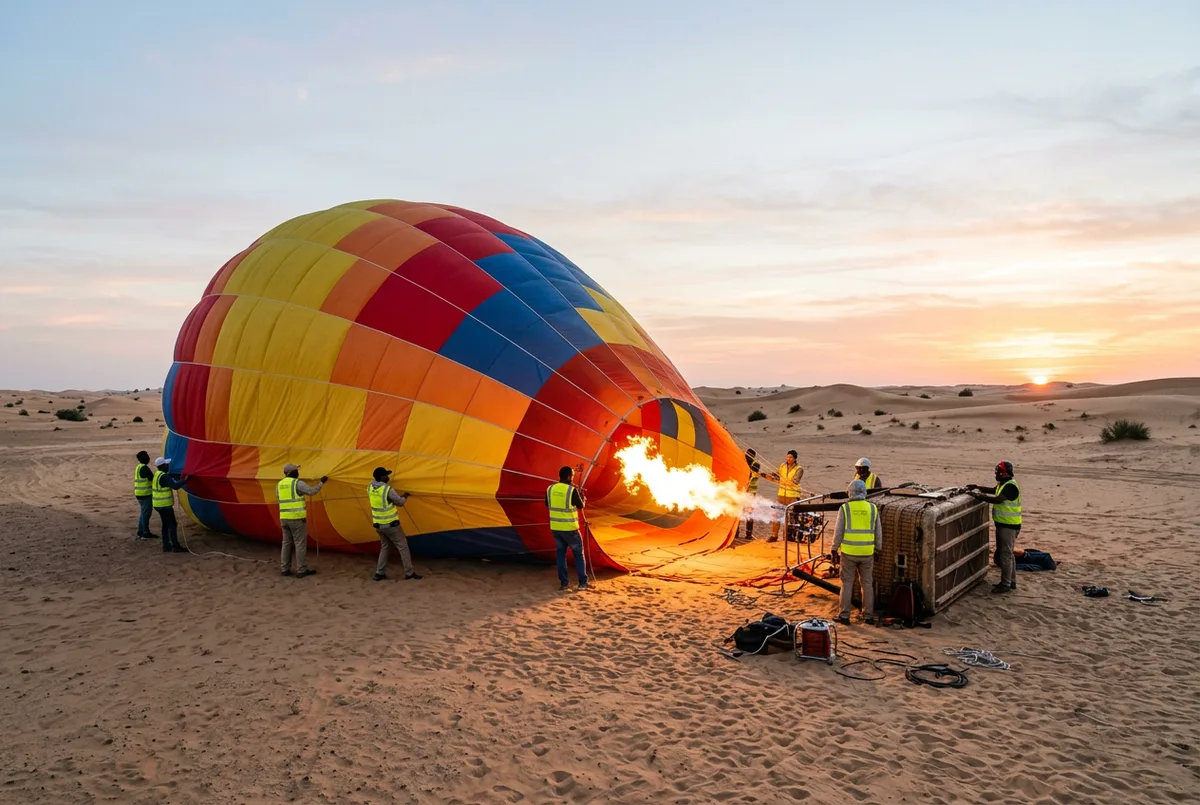
Timing, weather, and comfort
Time of day matters more than many first-time visitors expect. Morning trips usually feel cooler and brighter, with clearer views across the sand. Late afternoon and evening trips often focus on the low sun, camp activities, and dinner. Both can work well, but they ask for different preparation. A morning outing may start very early. An evening outing may finish late, which matters if you have flights, early plans the next day, or children who need regular sleep.
Heat is a serious part of planning. In warmer months, midday desert conditions can be harsh, and shaded breaks become more important. Bring water, wear breathable clothing, and use sun protection. A hat and sunglasses help, but they need to fit properly during any bumpy driving. Closed shoes are usually more practical than loose sandals, especially for walking on sand or moving around a camp.
Season also changes the feel of the trip. Cooler months are more comfortable for longer stays outdoors, while hot months reward shorter schedules and careful timing. Sand conditions can vary too. Soft dunes, wind, and recent weather can affect routes and activities. A responsible operator will adjust plans when conditions are not suitable rather than forcing the day to follow a script.
Safety and suitability before you commit
- Seat rules and vehicle setup. Check that everyone has a proper seat, that seat belts are used where fitted, and that children are catered for in a suitable way. Avoid any arrangement that suggests extra passengers can simply be squeezed in.
- Health limits. Dune driving can involve sudden movement. Anyone pregnant, recovering from injury, dealing with heart problems, or sensitive to motion should seek medical advice before choosing an active trip.
- Activity level. Sandboarding, quad biking, and camel rides are not the same as sitting back at a camp. Ask about terrain, duration, and whether beginners can take part at a relaxed pace.
- Supervision. For children, check how activities are managed and where adults are expected to stand or sit. Clear instructions matter more than a busy schedule.
- Emergency planning. Ask what happens if someone feels unwell, if a vehicle has a problem, or if the group gets separated. Vague answers are a warning sign.
Safety questions are not a sign of fussiness. They are part of choosing a sensible outdoor activity. If a booking page gives little detail, a short message before booking can clarify a lot. Look for clear answers rather than polished wording. A company that explains boundaries and conditions in plain language is usually easier to deal with than one that promises everything without limits.
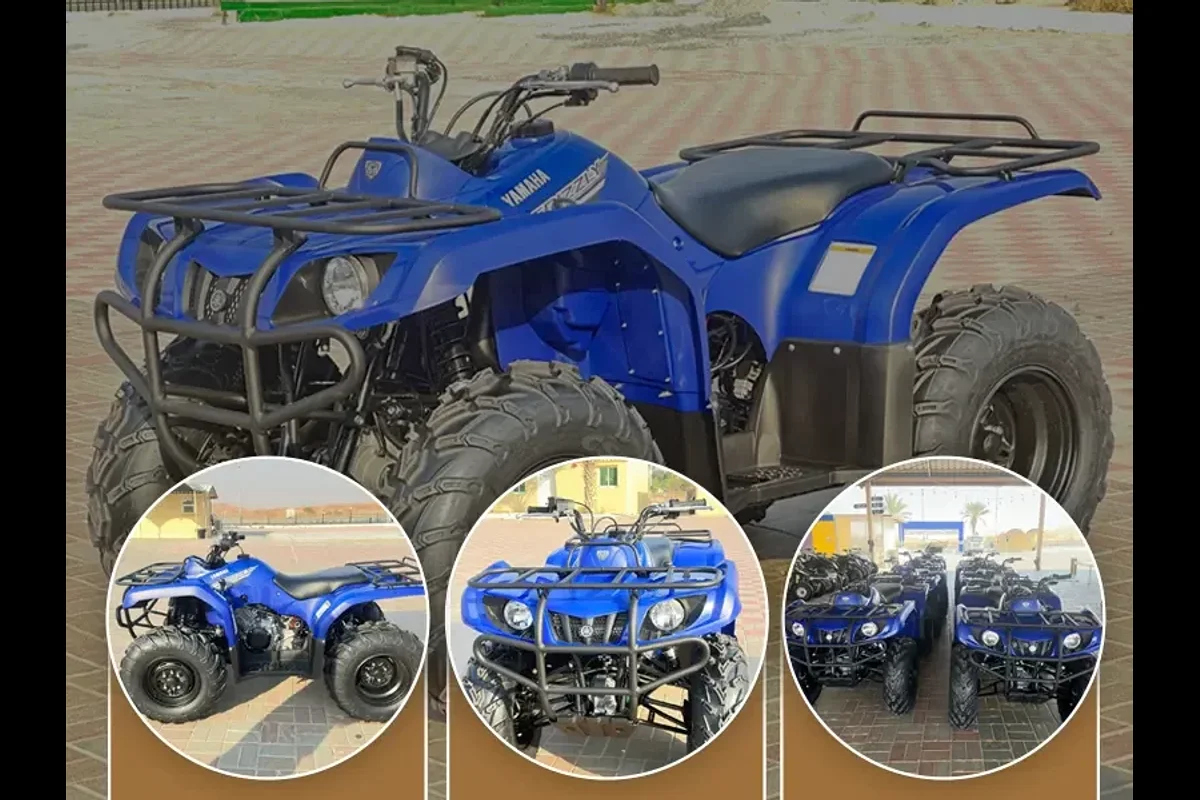
When comparing options, names such as ATV Ride Dubai may appear alongside broader desert trip descriptions. Treat the name as one reference point and still check the actual inclusions, route style, safety approach, and timing. A familiar name alone does not tell you whether a specific outing fits your group. The details do that.
Transport, meeting points, and the day around the safari
Read the pickup and drop-off details carefully. Shared transport can be convenient, but it may involve waiting for other people and following a fixed order of stops. Private transport usually gives more control over timing, though it needs clearer coordination. Check the exact meeting point, how early to be ready, and what happens if you are running late. In a city where traffic can shift quickly, those small details affect the start of the trip.
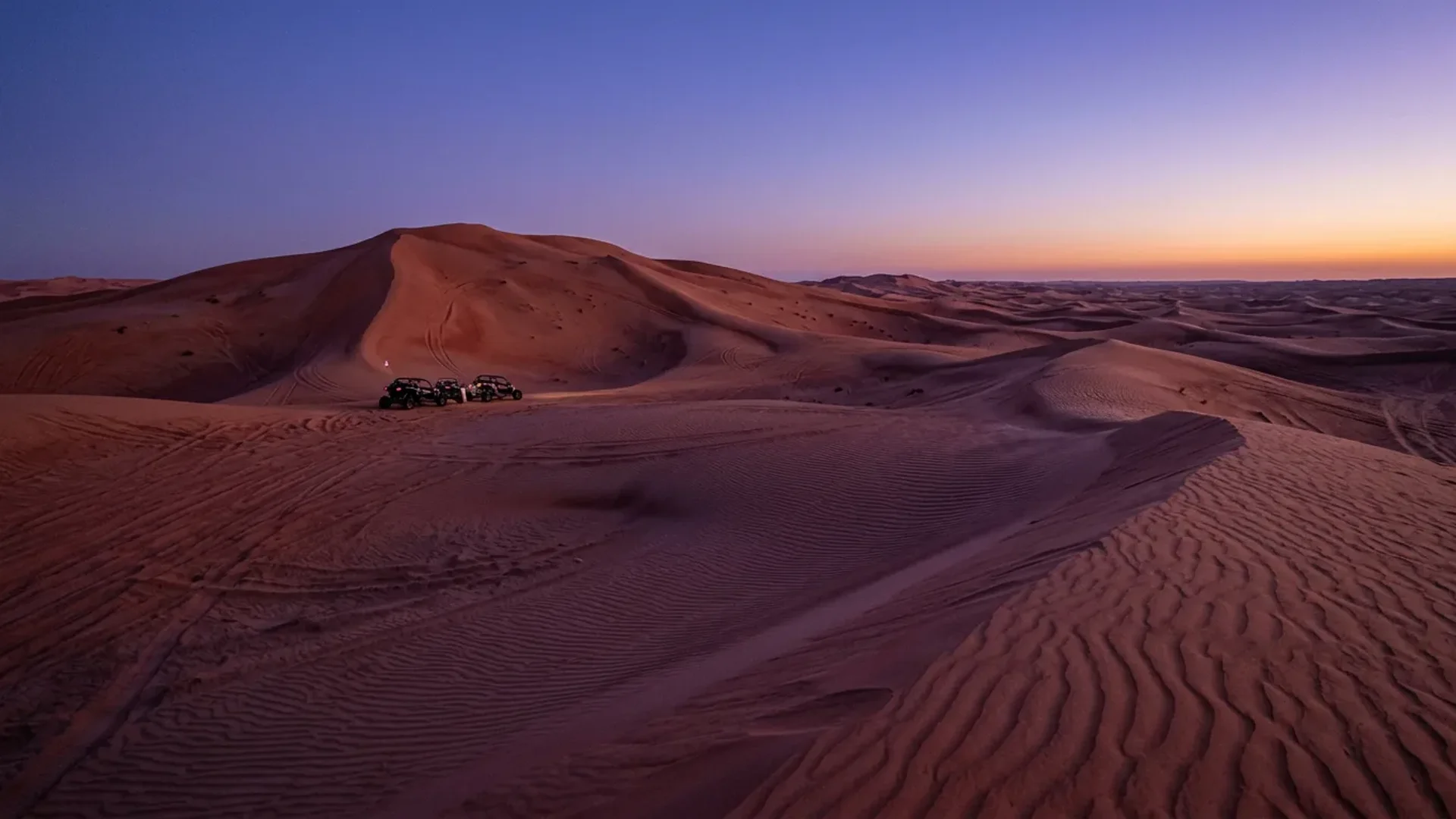
If you are driving yourself, confirm where to meet and whether parking is straightforward. Do not assume that the camp or starting point is easy to reach just because it is described as being in the desert. Ask for clear directions in advance, and keep enough fuel and water for the journey. Mobile signal can vary in open areas, so save key details before leaving the city.
Think about the rest of your day as well. A late evening safari may not be ideal before an early flight. A morning trip may suit travellers who want the afternoon free. Meals also deserve attention. If dinner is included, check the food style and whether vegetarian, vegan, or allergy-friendly choices can be arranged. For strict dietary needs, confirm before booking rather than on arrival.
Camp, entertainment, and the quieter details
Many evening trips include a camp with food, music, and performances. This can be enjoyable, but camps differ in size and atmosphere. Some are lively and crowded, while others are simpler and more relaxed. If you want a quiet evening, look for that in the description or ask directly. If you want a lively night with shows and a buffet, check that those are part of the specific booking rather than a nearby option.
Photography is another point worth checking. Sunset views are a major reason people book a desert trip, yet the best light depends on weather, dust, and timing. Ask where photo stops happen and how long they last. If photography is central to your plans, a smaller group or private arrangement may give you more room to set up shots without feeling rushed.
Alcohol, smoking areas, toilets, shade, seating, and blankets may also matter, especially for families or older travellers. These details rarely get top billing, but they shape comfort. Clean facilities and sensible seating can make a long evening far easier. If any of these are important to you, check them before choosing the cheapest-looking option.
Booking terms and the questions worth asking
Before paying, read the terms with the same care you would use for any travel booking. Check the cancellation rules, rescheduling options, and what happens if the operator cancels because of weather or local conditions. Ask whether confirmation is immediate or subject to availability. Keep written confirmation of the date, pickup point, activities, and any special requests.
Be cautious with descriptions that promise exact wildlife sightings, guaranteed weather, or a fixed route regardless of conditions. Desert environments change, and honest operators avoid absolute promises. A good booking gives you a clear plan while leaving room for safe adjustments. That balance is more useful than a packed itinerary that cannot bend.
ATV Ride Dubai can be one name to consider while comparing desert activities, but the final choice should rest on the written details. Match the schedule to your energy, the activities to your comfort level, and the inclusions to what you actually want to experience. Once those points line up, the rest of the day is much easier to enjoy.
A final pass before booking can prevent most disappointment. Check the date, time, meeting point, inclusions, dietary arrangements, clothing needs, and cancellation terms. Then keep the confirmation somewhere easy to find. A desert safari is at its best when the practical side is settled, leaving you free to pay attention to the sand, the light, and the company you brought with you.
ATV Ride Dubai on social media
 Facebook
 Instagram
 YouTube
 Pinterest
Corrections
Spot something wrong? Send it to the desk and it gets fixed in the open.